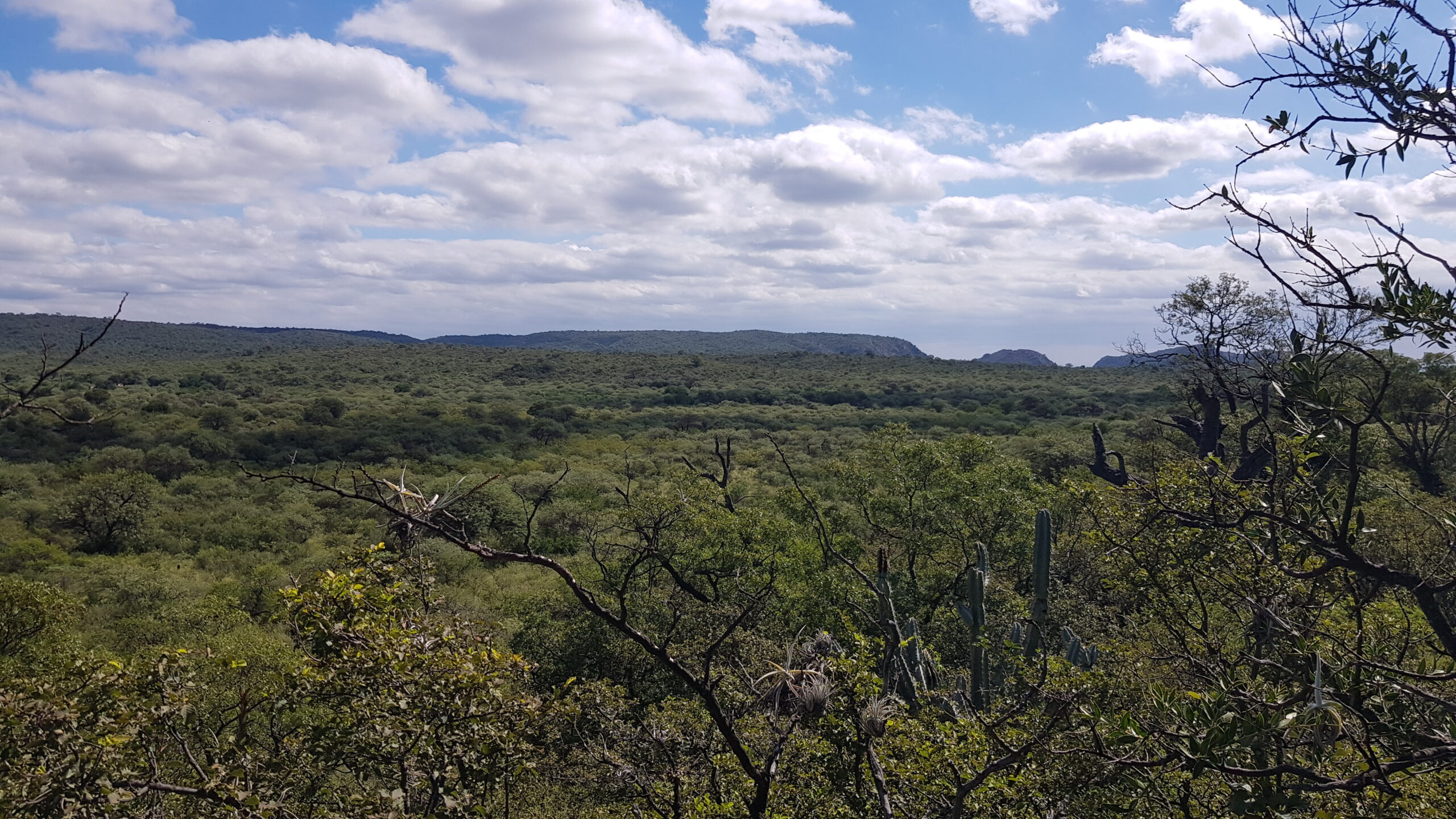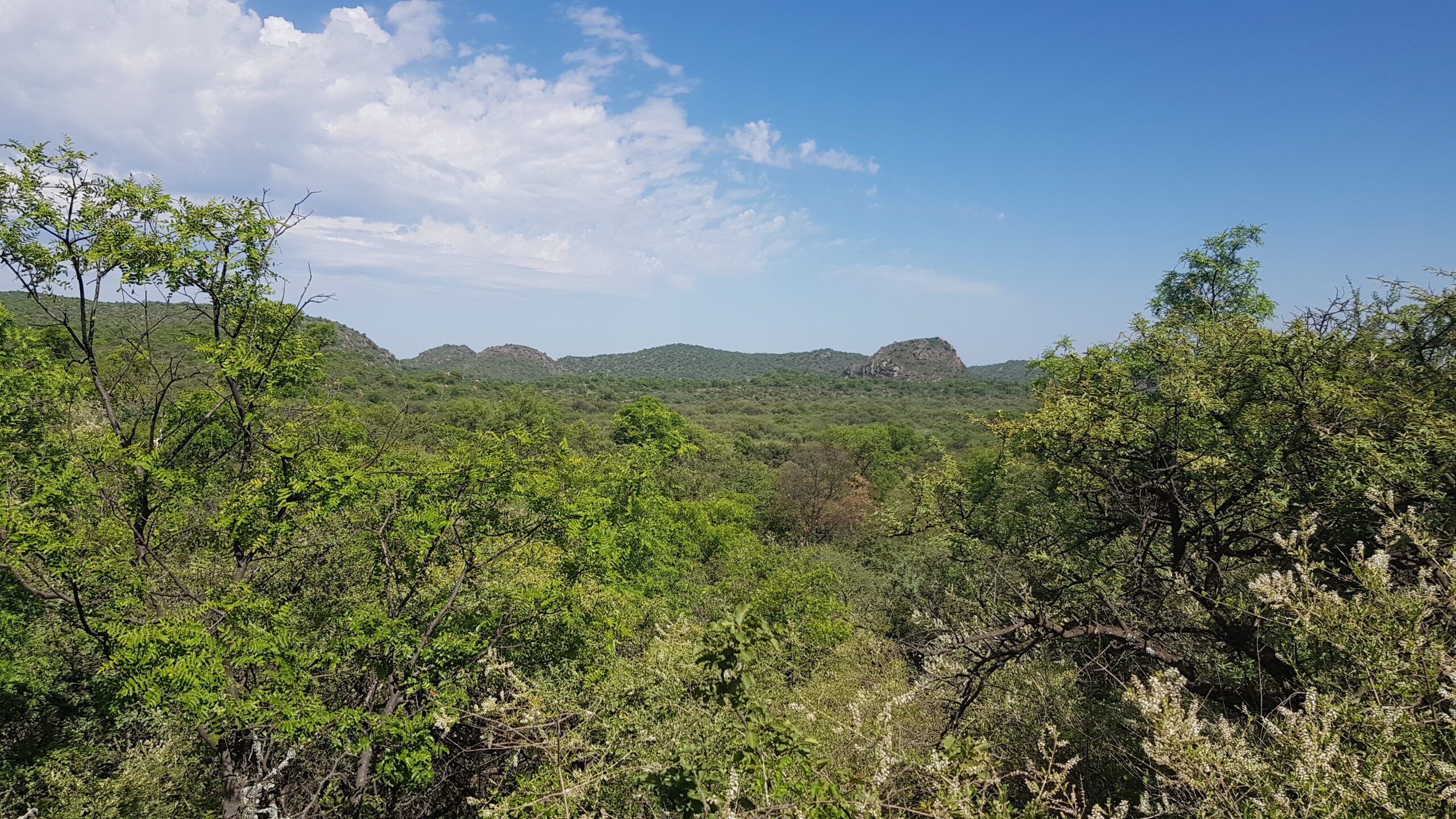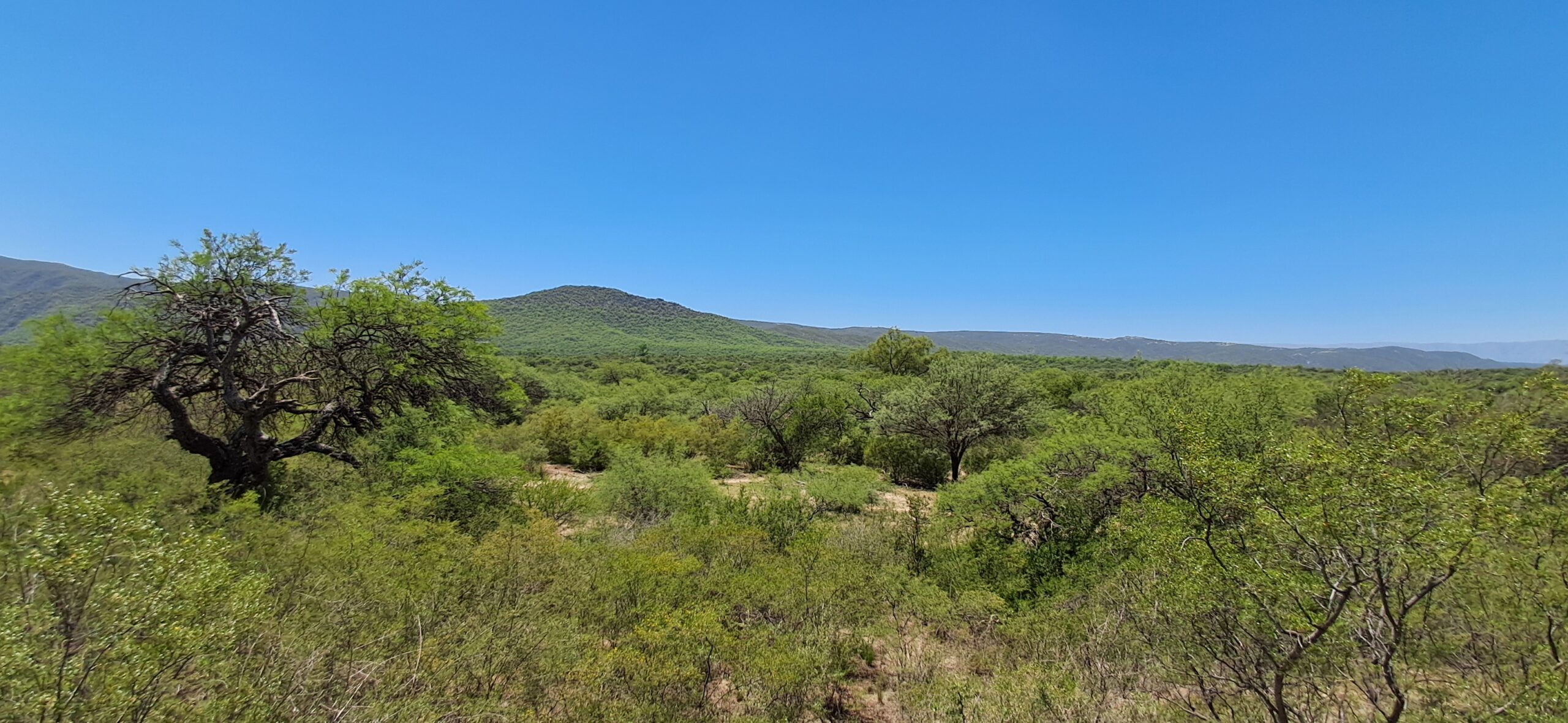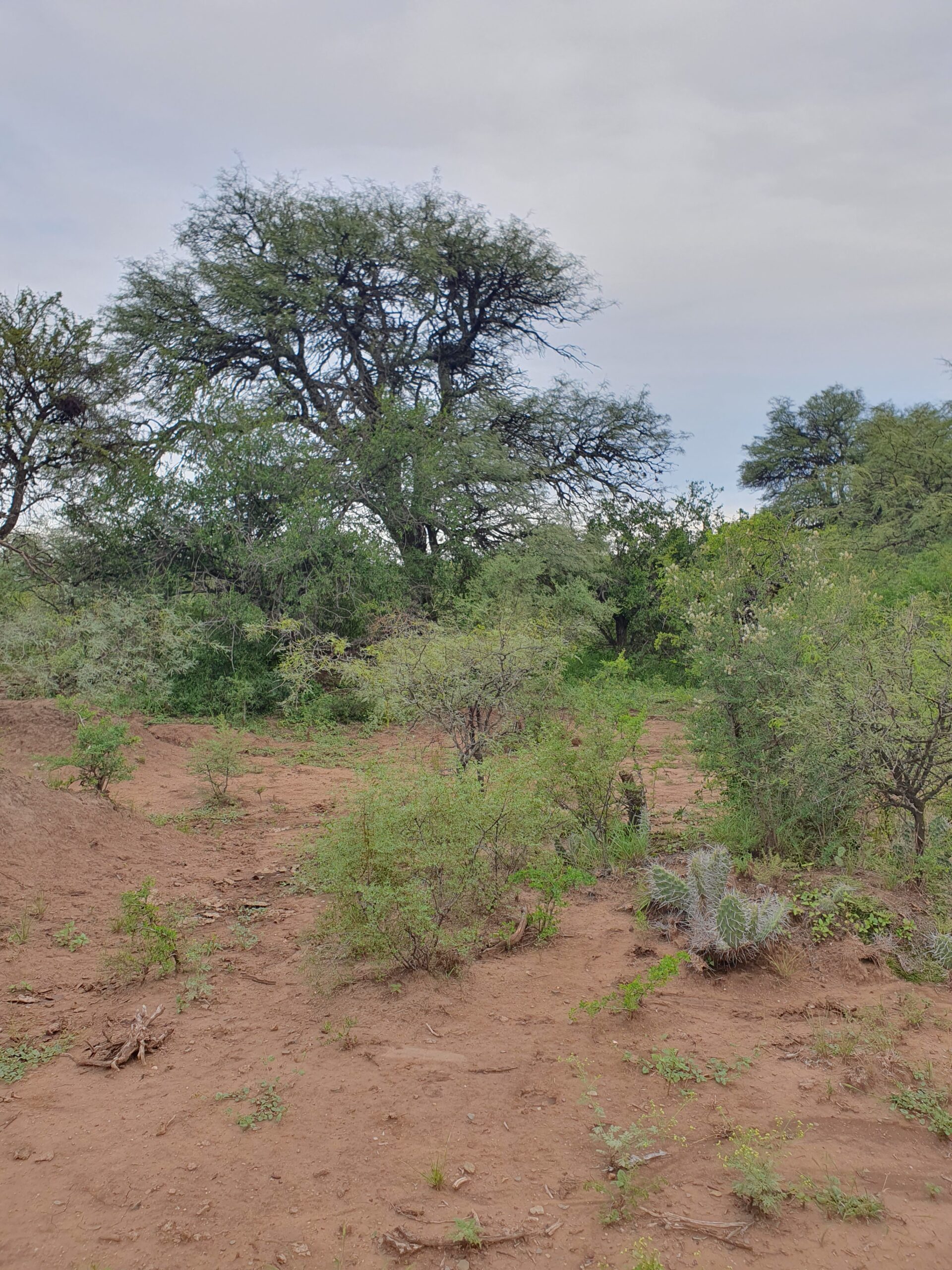
260 hectares: A commitment to life
We organize the territory into two complementary areas:
The reserve: 240 hectares of respite for life
Philosophy of Custody
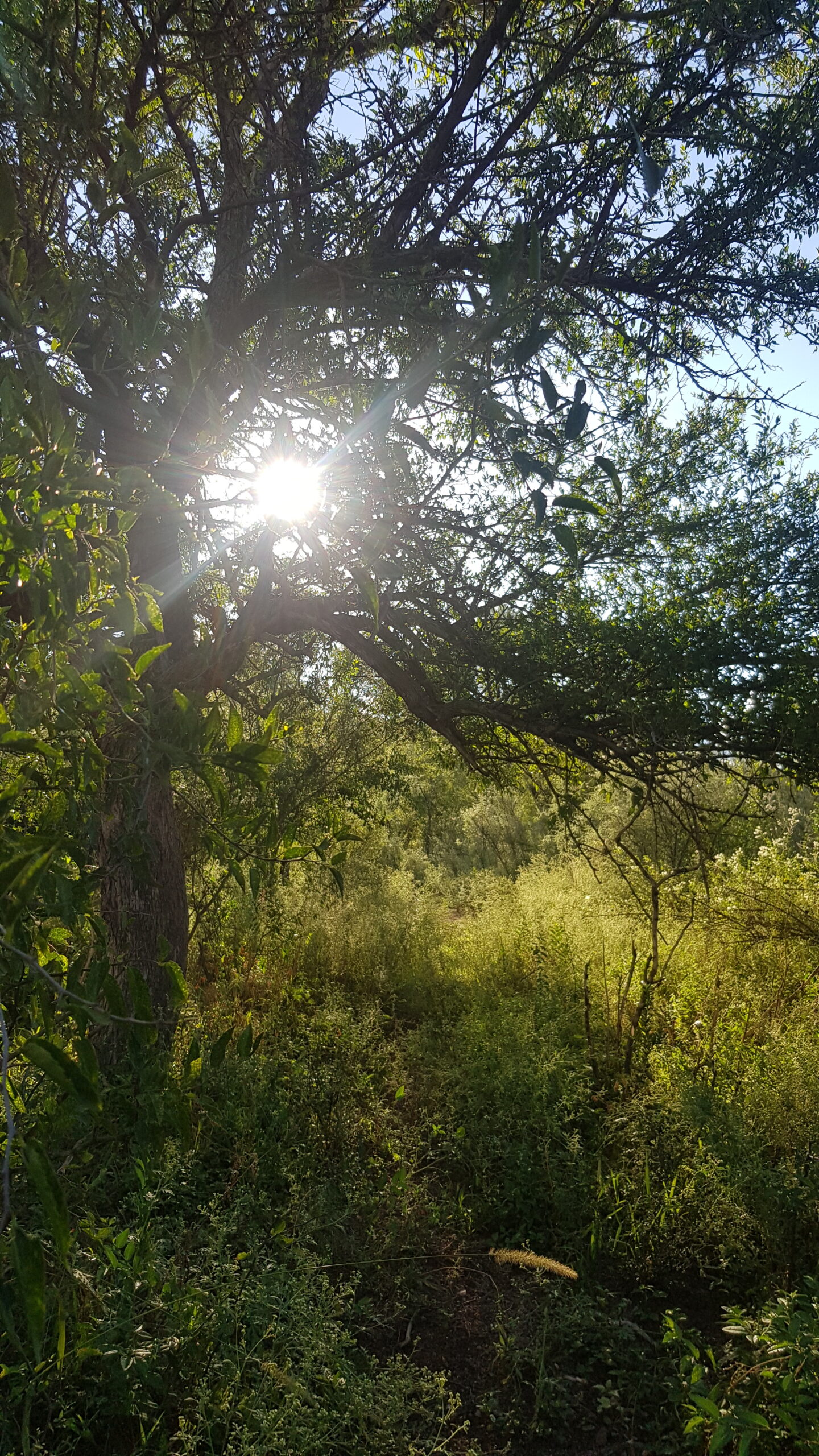
In this territory, the “monte” (forest) is the protagonist. We do not plant, we do not build, we do not actively intervene. We let nature take its course. Our role is to guard, observe, and learn. The goal is for natural processes to develop without livestock pressure or intensive human activity. Movement here is slow, silent, and respectful. Only subtle trails are traced.
Time and space
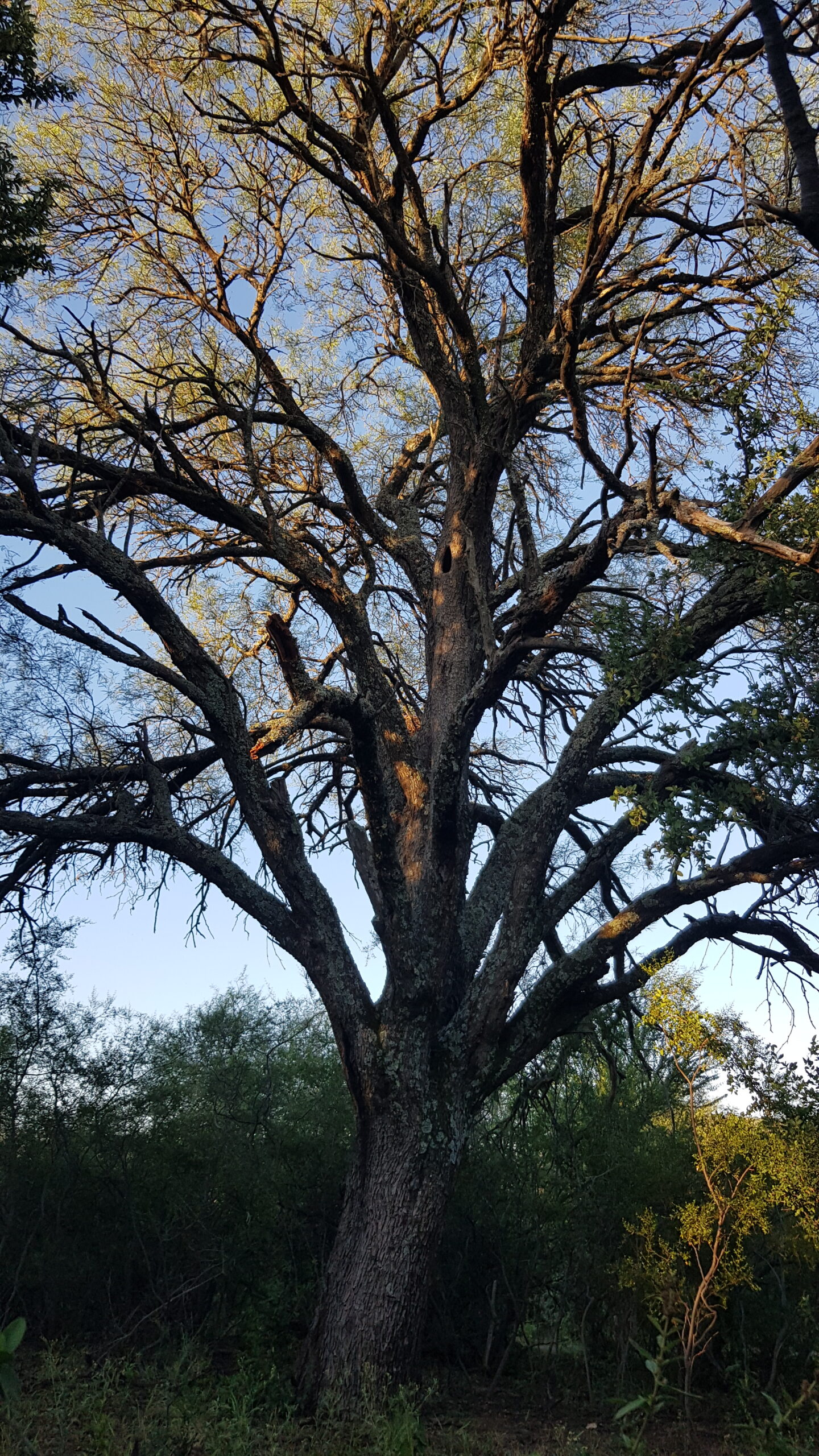
This is a space for stillness and an encounter with the essential. May those who walk these lands slow their pace, look with different eyes, and recognize themselves as part of a broader living system. In this refuge, emblematic species such as the Horco Quebracho, the Mistol, and the Tintitaco find the time they need to strengthen and sustain biodiversity.
Sanctuaries of Untouchability
Some sectors remain completely inaccessible. These are areas exclusively destined for the free movement of native fauna: Pumas, Wild Cats, Brocket Deer, Peccaries, snakes like the Boa Constrictor, rodents like the Tucu-tucu, and a great diversity of birds, most notably the Crowned Eagle… These are spaces where the best human contribution is our own absence.
Science of Observation
During the first years, we will carry out a progressive recording of vegetation cover, presence of fauna, and water behavior to document the evolution of the ecosystem and support future decisions based on direct observation.
Regeneration and learning zone: 20 hectares of conscious action
This sector, more affected by historical clearing and erosion, is our space for active restoration under the principles of permaculture. Here we intervene to accelerate the recovery of the ecosystem through ecological and experimental criteria. The work will be oriented towards:
- Water management: Improving infiltration and slowing down runoff to prevent soil loss.
- Soil recovery: Promoting the creation of organic matter and stable vegetation cover.
- Protection of natural regrowth (renoval): Caring for existing native saplings to ensure they reach maturity.
- Responsible herbivory: We are evaluating the reintroduction of the llama as a native herbivore, capable of grazing without compacting the soil or damaging the structure of the monte as exotic livestock does.
The intervention will be gradual, observing the response of the territory before moving forward.
Current stage
The project is in a phase of legal, organizational, and financial consolidation.
During the first year, the focus will be on:
- Territorial Security: Final regularization of the land and exclusion of external pressures (perimeter fencing and surveillance).
- Ecological Diagnosis: Initial survey of flora, fauna, and watersheds to establish the project’s baseline.
- Stewardship Infrastructure: Creation of minimum conditions for permanent presence on the territory + receiving volunteers.
- Strategic Alliances: Building networks with technicians, academics, and related organizations for the project’s scientific support.
ReverdeSer does not present itself as a finished model, but as a process under construction and continuous learning.
Future projection
Times in ecology are indicative. Rather than rigid goals, we talk about directions of work.
Short term (1–3 years) – Consolidation:
- Complete perimeter fencing.
- Creation of a main reservoir of approximately 180,000 liters, complemented by smaller retention structures.
- Expansion of contour infiltration trenches to enhance water infiltration and slow runoff.
- Start of open educational activities.
Medium term (4–10 years) – Ecological stabilization:
- Soils with better cover and better water retention.
- Progressive increase in observable biodiversity (monitoring).
- Development of a space for knowledge exchange and training in ecological construction and environmental education.
- Initial development of experimental agroforestry systems and reintroduction of native herbivores (llamas).
Long term (12–40 years) – Maturity:
- Forest (monte) with a more complex, resilient, and self-regulated structure.
- Human presence integrated with ecological criteria.
- Continuity of the project beyond its founders.
The horizon is not “ecological perfection.” It is continuity, coherence, and sustained care over time.