Roots of an Ancestral territory
Before the arrival of the Spanish, the Altautina region was inhabited by the Kamiare people, later known as the Comechingones.
This Indigenous community lived in deep harmony with nature, practicing diverse and sustainable agriculture, complemented by the gathering of native fruits and small-scale hunting. Their relationship with the land was based on respect: they understood the importance of native trees for soil fertility and wildlife, and they used natural resources without exhausting them.
With colonization, this balance was broken. The arrival of the Spanish led to the disappearance of Indigenous communities, and later, the expansion of mining and logging radically transformed both the landscape and local ways of life.
By the end of the 19th century, Altautina had become a settlement of more than 500 miners and loggers. Mining activities focused on the extraction of lime and shale stone, while intensive deforestation supplied wood for lime kilns and export. Within just a few decades, the centuries-old forests of carob and quebracho trees—forests that had sustained Kamiare life for generations—were completely destroyed.
This uncontrolled exploitation not only devastated the natural environment but also led to the decline of Altautina itself. As resources were depleted, workers left the area, leaving behind a hamlet that today is home to approximately 28 inhabitants.
This process of environmental degradation and depopulation stands in stark contrast to the ancestral wisdom of the Kamiare, who understood that survival depends on reciprocity with the Earth. Their legacy reminds us that ecosystem restoration is not only an environmental challenge, but also a cultural and spiritual one—an opportunity to rethink our relationship with nature and to reconnect with the bond that once existed.

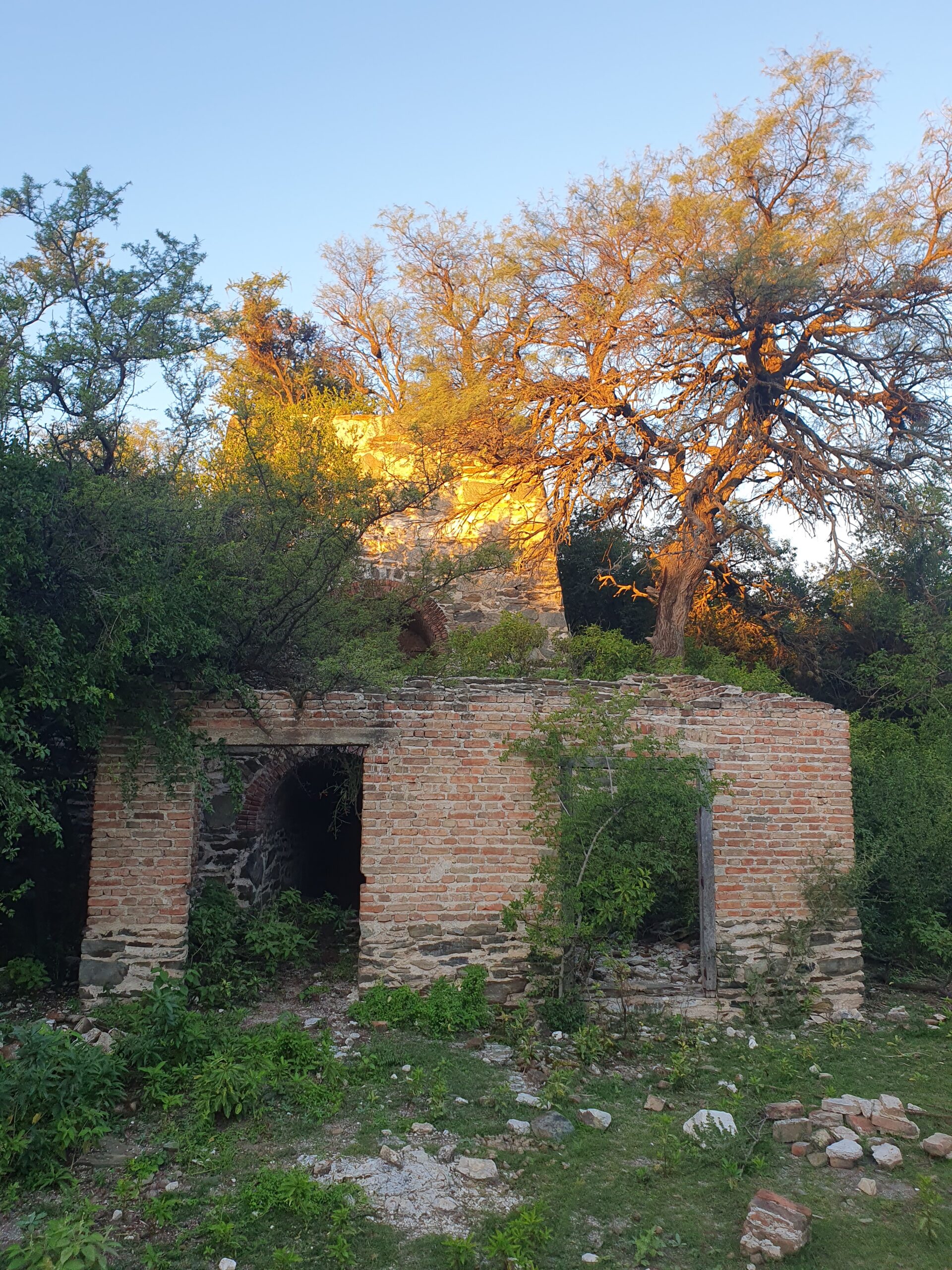
Historic lime kilns, marks of an extractive past
We invite you to discover the current state of the land ReverdeSer and how we continue the story